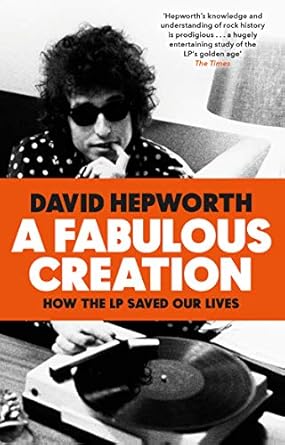
A Fabulous Creation: How the LP Saved Our Lives
More Info
The era of the LP began in 1967, with ‘Sgt Pepper’; The Beatles didn’t just collect together a bunch of songs, they Made An Album. Henceforth, everybody else wanted to Make An Album.
The end came only fifteen years later, coinciding with the release of Michael Jackson’s ‘Thriller’. By then the Walkman had taken music out of the home and into the streets and the record business had begun trying to reverse-engineer the creative process in order to make big money. Nobody would play music or listen to it in quite the same way ever again.
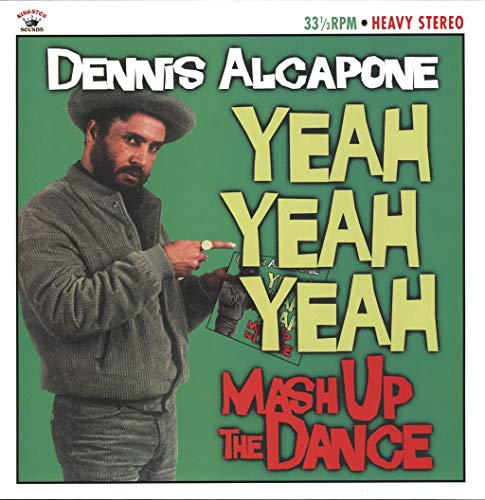
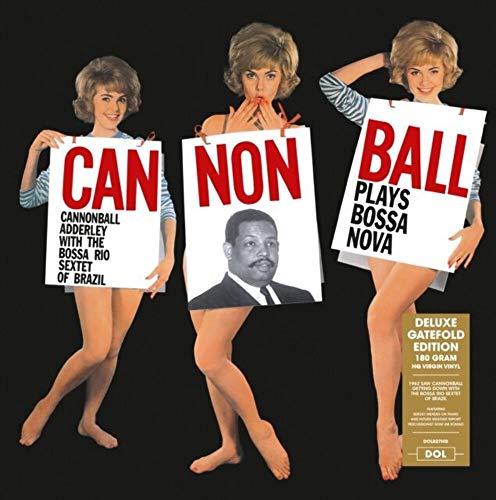
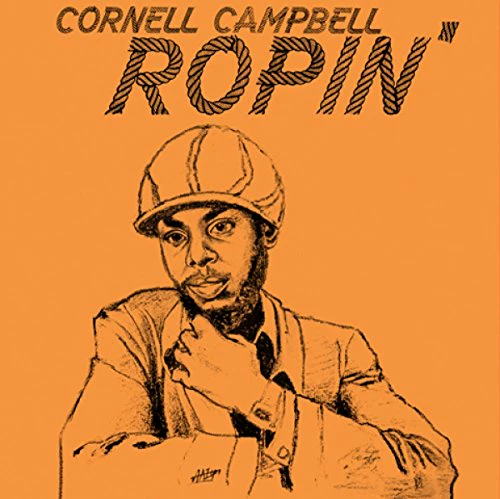
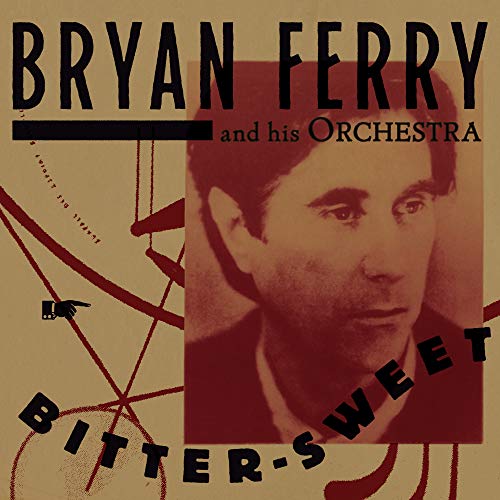
It was a short but transformative time. Musicians became ‘artists’ and we, the people, patrons of the arts. The LP itself had been a mark of sophistication, a measure of wealth, an instrument of education, a poster saying things you dare not say yourself, a means of attracting the opposite sex, and, for many, the single most desirable object in their lives.
This is the story of that time; it takes us from recording studios where musicians were doing things that had never been done before to the sparsely furnished apartments where their efforts would be received like visitations from a higher power. This is the story of how LPs saved our lives.
Original: $9.51
-65%$9.51
$3.33Product Information
Product Information
Shipping & Returns
Shipping & Returns
Description
More Info
The era of the LP began in 1967, with ‘Sgt Pepper’; The Beatles didn’t just collect together a bunch of songs, they Made An Album. Henceforth, everybody else wanted to Make An Album.
The end came only fifteen years later, coinciding with the release of Michael Jackson’s ‘Thriller’. By then the Walkman had taken music out of the home and into the streets and the record business had begun trying to reverse-engineer the creative process in order to make big money. Nobody would play music or listen to it in quite the same way ever again.
It was a short but transformative time. Musicians became ‘artists’ and we, the people, patrons of the arts. The LP itself had been a mark of sophistication, a measure of wealth, an instrument of education, a poster saying things you dare not say yourself, a means of attracting the opposite sex, and, for many, the single most desirable object in their lives.
This is the story of that time; it takes us from recording studios where musicians were doing things that had never been done before to the sparsely furnished apartments where their efforts would be received like visitations from a higher power. This is the story of how LPs saved our lives.