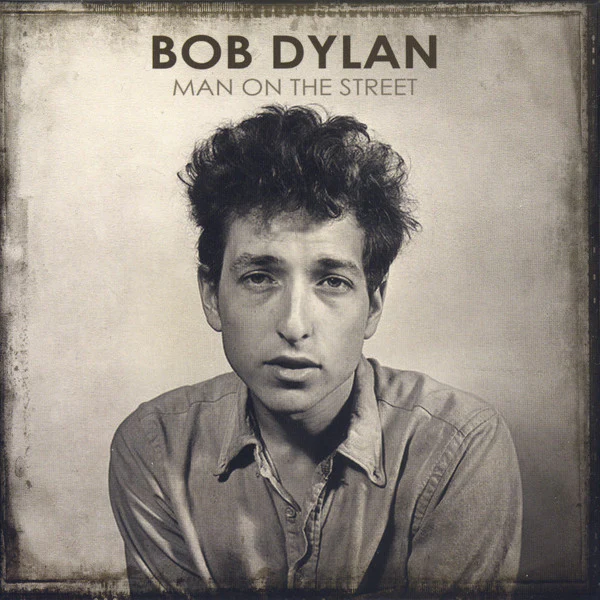
Bob Dylan - Mono & Stereo Edition
Product Info
2CD set featuring both mono and stereo versions of Bob Dylan's eponymous album.
More Info
The life and career of Bob Dylan has underpinned and influenced five decades of popular music. Only Elvis Presley rivals him as an iconic figure, while his move from folk and protest into the rock arena in the mid Sixties was one of the decade’s most controversial musical events.
The consummate singer-songwriter, he has ensured that words have retained their importance in popular music and not been swept away by the melodies and rhythms. His unconventional vocal style has opened the doors for many, not least Jimi Hendrix, to try their hand as singers, and he continues to record and tour today. In 2012, when awarding Dylan the Presidential Medal of Freedom, Barack Obama praised his voice for its ‘unique gravelly power that redefined not just what music sounded like but the message it carried and how it made people feel.’
In 2012, Dylan issued his 35th studio album, ‘Tempest’, to widespread acclaim. One critic noted that ‘At 71 years old, Dylan is still striking out into strange new places rather than revisiting his past.’ Yet this was also an appropriate time to turn back the clock half a century and revisit Dylan’s self-named first album, released in February 1962 – the first chapter of a unique and unrepeatable story.
‘Bob Dylan’ has, historically, lived in the shadow of its successor, May 1963’s ‘The Freewheelin’ Bob Dylan’. This is understandable given the strides he took over the fifteen months that separated them and the fact that his own songs were given more prominence on the latter; only two self-compositions, ‘Talkin’ New York’ and ‘Song To Woody’, his tribute to friend and influence Woody Guthrie, appeared on the debut, and both were already in his live repertoire.
That first album’s release coincided with the publication of Pete Seeger’s Broadside magazine, and Dylan was increasingly to reflect its themes of racial inequality and social injustice with his music. Recorded in November 1961 at a cost of $402, it was a more innocent, unworldly affair but featured some outstanding arrangements of traditional material performed with only guitar and harmonica accompaniment .
The album was produced for Columbia Records by John Hammond, the man who signed Dylan to the label after encountering him at a rehearsal session for Carolyn Hester in September 1961; he was playing harmonica. Later that month a favourable review of Dylan’s performance in the New York Times prompted Hammond to sign him up.
Only two of the covers were in Dylan’s live set in September 1961; he has since stated that the preponderance of traditional material reflected a desire not to reveal too much of himself. Few of these songs would stay in his repertoire beyond the mid Sixties, but he performed ‘Man Of Constant Sorrow’ on his first national television appearance in 1963 and ‘Song To Woody’ and ‘Pretty Peggy-O’ were also performed relatively frequently. ‘Baby, Let Me Follow You Down’ was given a band-backed arrangement during 1965 and 1966 tours with the Hawks (later known as the Band).
The two-day recording process was far from uneventful. Producer Hammond had ‘never worked with anyone so undisciplined before’ and was frustrated that ‘he refused to learn from his mistakes.’ Even so, five of the tracks (‘Baby, Let Me Follow You Down’, ‘In My Time of Dyin’’, ‘Gospel Plow’, ‘Highway 51 Blues’ and ‘Freight Train Blues’) were first takes, while ‘Song To Woody’ was achieved after one false start.
Initial sales of Dylan’s first album in the States are said to have totalled only 2,500 copies, and it was his sole release not to chart there. It belatedly reached Number 13 in the UK in 1965, however, when he toured there; ‘…Freewheelin’…’ was a Number 1.
There were to be no hit singles, despite the simultaneous release of the non-album ‘Mixed Up Confusion’/’Corinna Corinna’ (included here as bonus tracks). But ‘House Of The Risin’ Sun’– for which Dylan copied the arrangement by Dave Van Ronk, temporarily souring their friendship – was to top the transatlantic chart in 1964 when covered by British beat group the Animals. In turn, of course, Dylan was to ‘plug in’ the following year, creating such masterpieces as ‘Like A Rolling Stone’ and scandalising the Newport Folk Festival by fronting an electric band.
It was the Newport Festival of 1963 that had acclaimed Bob Dylan as the new folk superstar. By that time Joan Baez, Peter Paul and Mary and others had championed his songs, and he was well on the way to becoming the voice of a disaffected generation.
In August 1962, six months after this release, Robert Zimmerman legally changed his name to Bob Dylan. A year after that, his fame would be worldwide. Enjoy his historic first recordings available, as was the vinyl album, in both mono and the then recently introduced medium of stereo
Tracklist
CD 1 Mono
1. You’re No Good
2. Talkin’ New York
3. In My Time Of Dyin’
4. Man Of Constant Sorrow
5. Fixin’ To Die
6. Pretty Peggy
7. Highway 51
8. Gospel Plow
9. Baby, Let Me Follow You Down
10. House Of The Risin’ Sun
11. Freight Train Blues
12. Song To Woody
13. See That My Grave Is Kept Clean
CD 2 Stereo
1. You’re No Good
2. Talkin’ New York
3. In My Time Of Dyin’
4. Man Of Constant Sorrow
5. Fixin’ To Die
6. Pretty Peggy
7. Highway 51
8. Gospel Plow
9. Baby, Let Me Follow You Down
10. House Of The Risin’ Sun
11. Freight Train Blues
12. Song To Woody
13. See That My Grave Is Kept Clean
Bonus Tracks:
14. Mixed-Up Confusion
15. Corrina, Corrina
Original: $8.15
-65%$8.15
$2.85Product Information
Product Information
Shipping & Returns
Shipping & Returns
Description
Product Info
2CD set featuring both mono and stereo versions of Bob Dylan's eponymous album.
More Info
The life and career of Bob Dylan has underpinned and influenced five decades of popular music. Only Elvis Presley rivals him as an iconic figure, while his move from folk and protest into the rock arena in the mid Sixties was one of the decade’s most controversial musical events.
The consummate singer-songwriter, he has ensured that words have retained their importance in popular music and not been swept away by the melodies and rhythms. His unconventional vocal style has opened the doors for many, not least Jimi Hendrix, to try their hand as singers, and he continues to record and tour today. In 2012, when awarding Dylan the Presidential Medal of Freedom, Barack Obama praised his voice for its ‘unique gravelly power that redefined not just what music sounded like but the message it carried and how it made people feel.’
In 2012, Dylan issued his 35th studio album, ‘Tempest’, to widespread acclaim. One critic noted that ‘At 71 years old, Dylan is still striking out into strange new places rather than revisiting his past.’ Yet this was also an appropriate time to turn back the clock half a century and revisit Dylan’s self-named first album, released in February 1962 – the first chapter of a unique and unrepeatable story.
‘Bob Dylan’ has, historically, lived in the shadow of its successor, May 1963’s ‘The Freewheelin’ Bob Dylan’. This is understandable given the strides he took over the fifteen months that separated them and the fact that his own songs were given more prominence on the latter; only two self-compositions, ‘Talkin’ New York’ and ‘Song To Woody’, his tribute to friend and influence Woody Guthrie, appeared on the debut, and both were already in his live repertoire.
That first album’s release coincided with the publication of Pete Seeger’s Broadside magazine, and Dylan was increasingly to reflect its themes of racial inequality and social injustice with his music. Recorded in November 1961 at a cost of $402, it was a more innocent, unworldly affair but featured some outstanding arrangements of traditional material performed with only guitar and harmonica accompaniment .
The album was produced for Columbia Records by John Hammond, the man who signed Dylan to the label after encountering him at a rehearsal session for Carolyn Hester in September 1961; he was playing harmonica. Later that month a favourable review of Dylan’s performance in the New York Times prompted Hammond to sign him up.
Only two of the covers were in Dylan’s live set in September 1961; he has since stated that the preponderance of traditional material reflected a desire not to reveal too much of himself. Few of these songs would stay in his repertoire beyond the mid Sixties, but he performed ‘Man Of Constant Sorrow’ on his first national television appearance in 1963 and ‘Song To Woody’ and ‘Pretty Peggy-O’ were also performed relatively frequently. ‘Baby, Let Me Follow You Down’ was given a band-backed arrangement during 1965 and 1966 tours with the Hawks (later known as the Band).
The two-day recording process was far from uneventful. Producer Hammond had ‘never worked with anyone so undisciplined before’ and was frustrated that ‘he refused to learn from his mistakes.’ Even so, five of the tracks (‘Baby, Let Me Follow You Down’, ‘In My Time of Dyin’’, ‘Gospel Plow’, ‘Highway 51 Blues’ and ‘Freight Train Blues’) were first takes, while ‘Song To Woody’ was achieved after one false start.
Initial sales of Dylan’s first album in the States are said to have totalled only 2,500 copies, and it was his sole release not to chart there. It belatedly reached Number 13 in the UK in 1965, however, when he toured there; ‘…Freewheelin’…’ was a Number 1.
There were to be no hit singles, despite the simultaneous release of the non-album ‘Mixed Up Confusion’/’Corinna Corinna’ (included here as bonus tracks). But ‘House Of The Risin’ Sun’– for which Dylan copied the arrangement by Dave Van Ronk, temporarily souring their friendship – was to top the transatlantic chart in 1964 when covered by British beat group the Animals. In turn, of course, Dylan was to ‘plug in’ the following year, creating such masterpieces as ‘Like A Rolling Stone’ and scandalising the Newport Folk Festival by fronting an electric band.
It was the Newport Festival of 1963 that had acclaimed Bob Dylan as the new folk superstar. By that time Joan Baez, Peter Paul and Mary and others had championed his songs, and he was well on the way to becoming the voice of a disaffected generation.
In August 1962, six months after this release, Robert Zimmerman legally changed his name to Bob Dylan. A year after that, his fame would be worldwide. Enjoy his historic first recordings available, as was the vinyl album, in both mono and the then recently introduced medium of stereo
Tracklist
CD 1 Mono
1. You’re No Good
2. Talkin’ New York
3. In My Time Of Dyin’
4. Man Of Constant Sorrow
5. Fixin’ To Die
6. Pretty Peggy
7. Highway 51
8. Gospel Plow
9. Baby, Let Me Follow You Down
10. House Of The Risin’ Sun
11. Freight Train Blues
12. Song To Woody
13. See That My Grave Is Kept Clean
CD 2 Stereo
1. You’re No Good
2. Talkin’ New York
3. In My Time Of Dyin’
4. Man Of Constant Sorrow
5. Fixin’ To Die
6. Pretty Peggy
7. Highway 51
8. Gospel Plow
9. Baby, Let Me Follow You Down
10. House Of The Risin’ Sun
11. Freight Train Blues
12. Song To Woody
13. See That My Grave Is Kept Clean
Bonus Tracks:
14. Mixed-Up Confusion
15. Corrina, Corrina